
Product definition
We describe the users, core tasks and essential features, identifying assumptions that need testing before the application grows.
An app should make a recurring task easier or support an experience the customer needs to return to. We turn that purpose into a defined product scope, a considered interface and a development plan with clear release requirements.
We describe the users, core tasks and essential features, identifying assumptions that need testing before the application grows.
Key flows and interface states are designed together, including onboarding, error handling and the information users need at each step.
We build the agreed app functionality and service connections, selecting native or cross-platform approaches according to project requirements.
Testing, store-listing materials and submission requirements are organised alongside the handover and ongoing support needs of the product.
People rarely install an application just to read information that is already easy to find elsewhere. They need a useful reason to return: managing a booking, checking progress, accessing an account or completing a recurring task. We explore that reason with your team and identify whose problem the first release should solve. A focused purpose gives product decisions a practical reference point.
We then separate essential journeys from supporting ideas. For an appointment business, for example, viewing an upcoming booking and requesting a change might matter more initially than an elaborate rewards feature. We compare those needs with a responsive website, describe the proposed user journey and identify assumptions worth checking before development starts.
The development approach follows the experience you need to deliver. We consider the devices your audience uses, any required device features, the systems supplying information and who will maintain the application. Android, iOS and shared code approaches each bring different practical considerations. The recommendation explains those considerations in the context of your product instead of beginning with a preferred technology.
Supporting services receive the same attention as the screens. User accounts, content editing, notifications and business-system connections need clear responsibilities and access arrangements. We document which components already exist, which require development and what happens if a connected service is unavailable. This makes the application scope understandable to both business stakeholders and the people responsible for its operation.
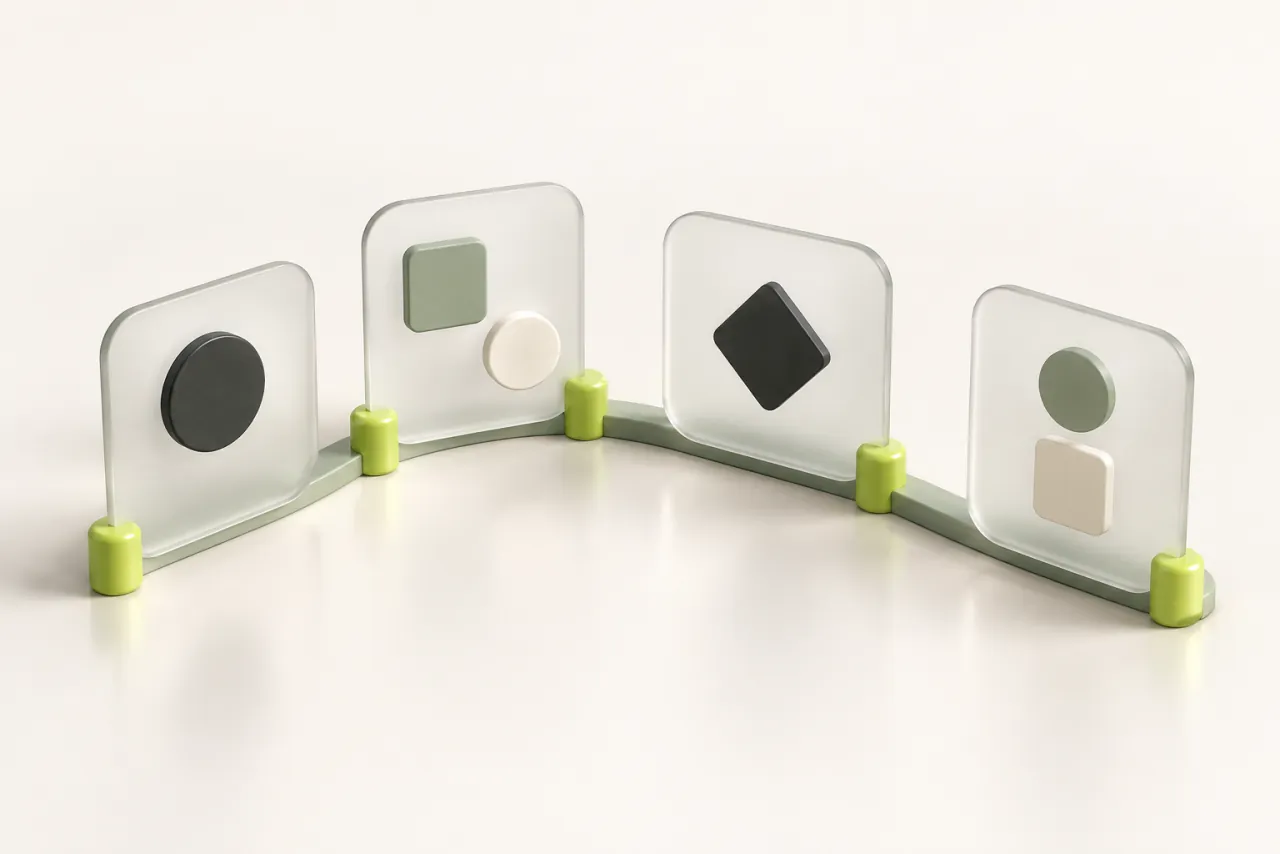
Prototype screens help the team examine the order of actions before the full product is built.
The main screen sequence is only part of the product. A person might lose their connection, enter incomplete information, return after an interruption or repeat an action because the first response was unclear. We describe these situations during design so the interface can explain what happened and provide an appropriate next step. The product should make its state understandable without asking users to guess.
Testing covers agreed device combinations and representative journeys, including unsuccessful actions. Your team reviews the content, notifications and administrative controls alongside the customer interface. Release preparation brings together these checks, required account access and submission materials. We also clarify the handling of external review feedback and the support arrangements for issues discovered after release.
A prototype lets stakeholders examine the order of steps and the information on each screen before every connection is implemented. Review sessions focus on practical questions: can a new user recognise the next action, understand a request for information and recover from a mistake?
Feedback is recorded against specific journeys. We distinguish changes needed for the initial product from useful additions that can be considered separately. An approved prototype becomes a reference for development, while documented decisions help avoid reopening the same design question without new information.

Customer interactions and the tools behind them are planned as one operating product.
Customers see the mobile interface, but staff may need to update content, handle requests or resolve account problems. We map those operational tasks and agree how they will be supported. An application can otherwise look complete while leaving the business dependent on manual work it did not anticipate.
The handover identifies ownership of source code, connected accounts, release materials and agreed administrative functions. Where the product connects with an existing site, our website development service can address the shared content or account experience as a separate part of the scope.
Installations alone do not show whether the product is useful. We discuss the recurring actions that matter, such as a completed request or a return to an active account, and plan measurement around those tasks. The proposed events should have clear definitions and avoid collecting unnecessary personal information.
Our analytics and tracking work can support this measurement plan. Early feedback, support requests and observed task completion then inform the next product discussion, giving future changes a reason beyond adding more features.
We establish users, recurring tasks and essential functionality, then identify what needs validation before development.
We map the main flows and supporting states, using prototypes to review the intended interactions.
We implement the agreed features and integrations, checking behaviour across representative devices and realistic usage conditions.
We organise submission materials, release checks and operational handover for the app and its connected services.
Yes. We assess shared and platform-specific requirements before recommending whether a cross-platform or separate native approach suits the project.
That depends on its features. Accounts, shared content and external data usually require supporting services, which are identified during product scoping.
No. Store review is an external process. We prepare the application and required materials against the applicable requirements and address review feedback within the agreed scope.
Yes. We can define an initial release around the essential user journey and record other ideas separately. The scope should still include the supporting states, administrative tasks and checks needed to make that smaller product usable.
Bring a description of the recurring problem, who experiences it and how your team handles it today. Existing screens, account systems and customer questions are useful. A finished technical specification is not required to begin a product discussion.
Tell us what you’re working towards. We’ll help you make sense of the next step.
+92 302 0152939hello@marketingconsultantislamabad.comYour enquiryApp Development
Read our privacy policy before sharing your details.
Open the form in a new tab